
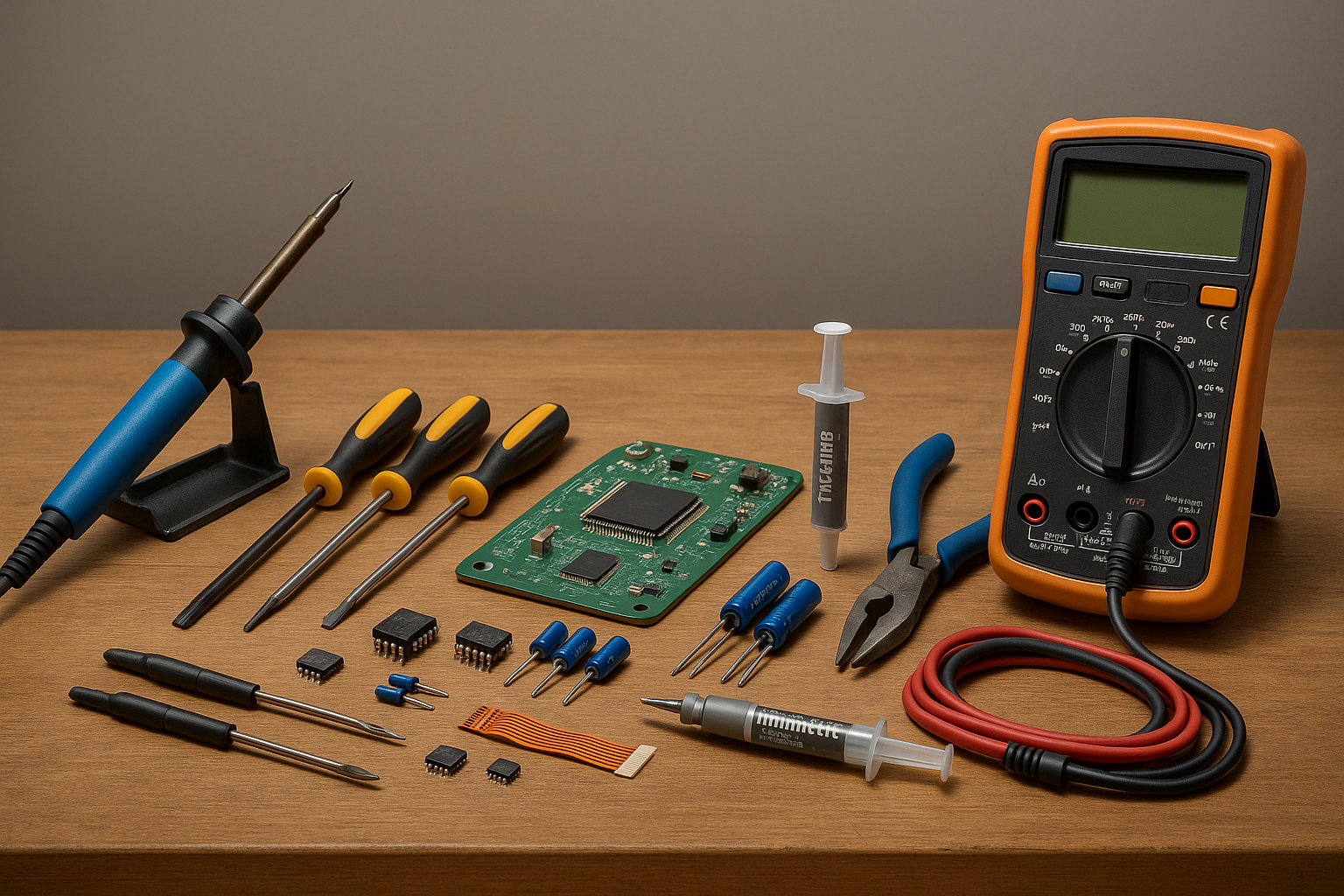
Console gaming has seen massive leaps—from rudimentary analog machines to sleek, AI-integrated systems. But behind every technological leap is a workshop story: a snapped connector, a fried board, or a laser that just won’t read. Here’s a panoramic breakdown of console repairs, generation by generation.
Gen 1–2: Analog Ground Zero (1970s–1980s)
- Hardware: Magnavox Odyssey, Atari 2600
- Failures: Aging capacitors, mechanical switches, RF interference
- Repairs: Replacing electrolytic caps, re-soldering joints, and custom-fitting AV mods to bypass outdated RF.
Gen 3–4: Cartridge Champions (1983–1996)
- Hardware: NES, SNES, Sega Genesis, Master System
- Failures: Bent/oxidized cartridge slots, blown voltage regulators, brittle plastics
- Repairs: Swapping 72-pin connectors, replacing 5V regulators, reinforcing shell integrity with retrofitting techniques.
Gen 5–6: Optical Drive Era (1994–2006)
- Hardware: PlayStation, Dreamcast, PS2, GameCube, Xbox
- Failures: Laser wear, spindle motor failure, tray jams
- Repairs: Recalibrating or replacing laser assemblies, belt swaps, lubricating gear trains, and EEPROM resets for disc errors.
Gen 7: Heatwave Havoc (2005–2013)
- Hardware: Xbox 360, PS3, Wii
- Failures: Solder joint failures (RROD/YLOD), overheating GPUs, faulty disc drives
- Repairs: BGA reballing or reflow, thermal paste upgrades, custom cooling mods, drive board swaps.
Gen 8: Precision Era (2013–2020)
- Hardware: PS4, Xbox One, Nintendo Switch
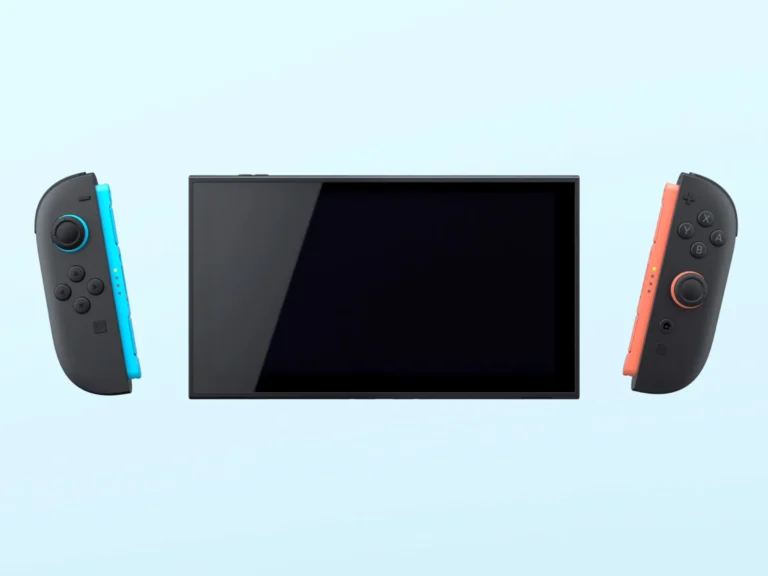
- Failures: Joy-Con drift, HDMI damage, overheating
- Repairs: Micro-soldering HDMI ICs, joystick replacements with hall-effect upgrades, fan/heatsink servicing.
Gen 9+: Smart Tech, Higher Stakes (2020–Present)
- Hardware: PS5, Xbox Series X|S
- Failures: Liquid metal bleed, SSD controller issues, adaptive drive failures
- Repairs: Precision resealing of APU metal pads, NVMe diagnostics, adaptive trigger and Blu-ray motor overhauls.
Closing Thought: Past to Future
Whether you’re resurrecting a forgotten SNES or micro-soldering a PS5 SSD, the repair landscape is as dynamic as the tech itself. Embracing both retro and next-gen tools is the key to staying relevant—and profitable—in the ever-evolving game repair arena.