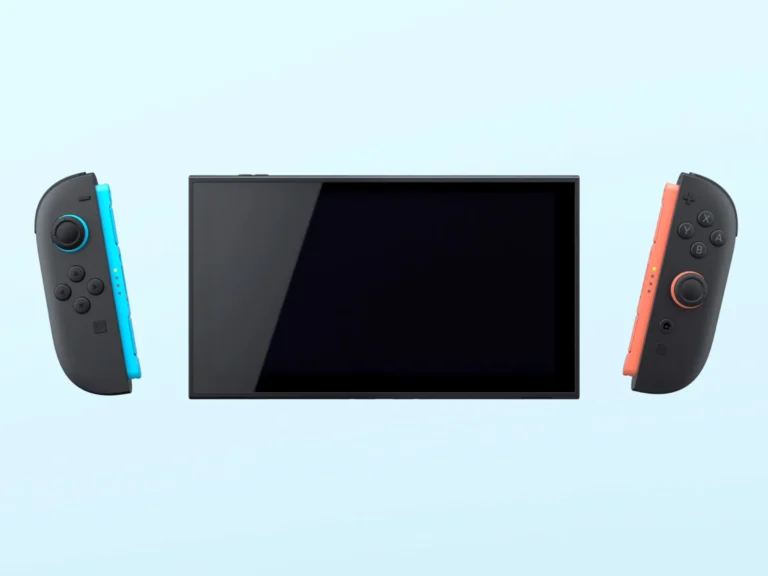

In the ever-evolving timeline of video games, one thing has remained consistent—if it plays, it can break. From the humble beginnings of cartridge-fed classics to today’s SSD-packed titans, each generation of consoles brings its own set of repair quirks. Here’s a power-up guide across the decades, tracing how repairs have transformed alongside the consoles they serve.
Gen 1–2: The Analog Archetypes (1972–1983)
Systems: Magnavox Odyssey, Atari 2600
Fault Zones: Burned-out power adapters, corroded connectors, RF signal failure
Repair Reality: Soldering was simple, but parts are now rare. Restoration often involves replacing caps and retrofitting RCA ports for modern displays.
Gen 3–4: The Golden Cartridge Era (1983–1996)
Systems: NES, SNES, Sega Genesis
Fault Zones: Bad pin connections, dirty slots, aging voltage regulators
Repair Reality: The infamous NES 72-pin connector was a common fix. Cartridge-based systems required constant cleaning, and bad caps could nuke power delivery.
Gen 5–6: Lasers and Load Screens (1994–2006)
Systems: PlayStation, PS2, Dreamcast, Xbox
Fault Zones: Laser degradation, tray misalignments, BIOS battery issues
Repair Reality: Optical drive tuning was a rite of passage. Swap in fresh lasers, adjust spindle heights, and upgrade cooling before your fan cries out for mercy.
Gen 7: The Thermo Meltdown Generation (2005–2013)
Systems: Xbox 360, PS3, Wii
Fault Zones: Red Ring of Death (RROD), Yellow Light of Death (YLOD), failing lasers
Repair Reality: Thermal paste jobs, GPU reflows, and custom fan mods kept these consoles alive. A heat gun was your best friend—or worst enemy.
Gen 8: Compact, Complex, and Prone to Drift (2013–2020)
Systems: PS4, Xbox One, Nintendo Switch
Fault Zones: HDMI damage, Joy-Con drift, overheating APU units
Repair Reality: Precision soldering became essential. Joy-Con repairs became cottage industries. Dust control and fan servicing extended life cycles dramatically.
Gen 9+: Digital Powerhouses, Surgical Repairs (2020–Present)
Systems: PS5, Xbox Series X|S
Fault Zones: Liquid metal leaks, NVMe failure, fan calibration errors
Repair Reality: High stakes, high precision. SSD diagnostics, thermal regulation, and component-level logic board work are part of the new game.
Closing Checkpoint:
From analog pulses to digital diagnostics, console repair has leveled up from simple fixes to intricate operations. Whether you’re preserving a piece of gaming history or keeping your current-gen beast running cool and clean, every repair is a tribute to the industry’s pixel-powered progression. Game on—and keep those screwdrivers ready.